This is an issue greater than I knew. Over the recent years, I have experienced the death of several people close to me. Most recently, two of my friends unexpectedly lost their children, who were in their 40s. Some individuals around me were at a loss for what to do or say.
Fortunately, I was modeled this well in my farm community in Nebraska in the 60s. We immediately attended the Catholic wake and funeral. We contributed to the family by meeting their needs. As a trained nurse who had worked in hospice care, I was familiar with speaking of death and talking with the survivors. This is not the case for everyone.
Reasons Why:
Today, with the loss of most nuclear families and close-knit communities, it is more difficult to reach out to people we don’t know well. Some people are very private. Many of us were not taught how to deal with grief and death when we were young. Some of us may still have unresolved grief over a loved one. Also, not having dealt with our own mortality can play a role. There can be many other reasons.
Action tips and gestures I have used that are unlikely to breach confidentiality or privacy.
- Send a card or ecard.
- In that card, you may use a religious notation only if it is appropriate for that survivor. The card should not reflect only your religious beliefs. For example, don’t say, “God will guide you,” if the survivors are atheists.
- You can never go wrong by avoiding a religious notation by saying, “I wish you strength and guidance during this difficult time.”
- Many bereavement cards have beautiful messages, and there is no need to write something personal. But if you can, it would mean much to the survivor.
- I subscribe to an ecard vendor website. This is a wonderful way to send a card on the spot without going to the store. There are many selections to choose from. However, you do need the person’s email. Just search the internet for ecard sites, and it will come up, or you can write me.
- Send flowers if appropriate or donate to a special cause if known.
- Many funeral home obituary websites list these options.
- If you are close to the survivor, call and leave a message on their phone. Offer your support: food, gardening, shopping, etc.
- Ask if they’d like a visit. The timing of this will depend on how close you are to the survivor and/or who is with them at the time.
- If a visit sounds intimidating, remember, you don’t have to say much of anything. Just a hand on the shoulder, a hug, and being present to listen mean more than you know.
- Write a note to the survivors on the funeral home obituary website. State your relationship to the deceased if they don’t know you well.
- Consider the culture the survivor (s) are from. This is critical. If you know their culture of origin but know nothing about how they grieve, look it up online. Be sensitive to their needs if possible. Touching or hugging may not be appropriate. But there are so many ways to show people you care.
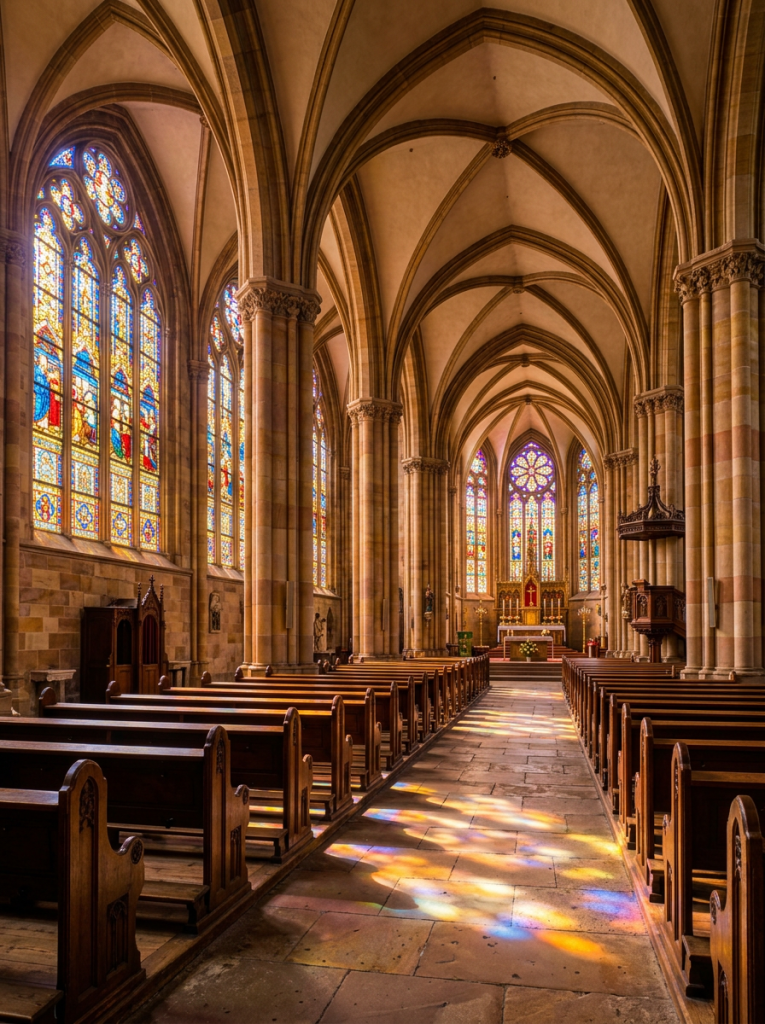
Do I attend the Funeral? I know of a man who did not attend the funeral of his father’s brother. The service was in another city 60 miles away, and he didn’t attend because he didn’t know the brother. I can only give my opinion here. I believe that funerals are for the living, to support the survivors during their time of grief. Some religions also believe the spirit of the deceased is present and that your presence honors them. Attending is up to you.
Distance can be a factor. Some funerals are broadcast by video. I have attended two of these across the nation. I signed in and left a personal message so they would know I attended. The survivors were very appreciative.
Why I Write to You Today:
It was during my personal visit with the survivors who had recently lost their daughter that they said they appreciated my visit and card. And they noticed some people just stayed away because they didn’t know what to do or say. Their pain and grief were apparent, and they were in need of support. My hugs were very welcomed.
Don’t be afraid to reach out; survivors may need your card or contact more than you know.
Do what feels right to you.
If any of these gestures or tips mean something to you or you think of others, please comment below. We need to learn from each other. All of these actions can help the survivor/s process their grief.


Excellent guidance, Sue. Thanks and best wishes. Bill
Yahoo Mail: Search, Organize, Conquer
LikeLiked by 1 person
Thank you for writing Bill. Death can happen at any time, however our age group is experienced more than our share recently. Take care and thank you for following.
LikeLike
Thank you Sue!
LikeLiked by 1 person
great tips Susan. Thank You
I agree, this topic can be ‘taboo’ amongst some people and each circumstance can vary, depending one’s religion, upbringing, and personal feelings
from my own personal experience, no one in my family ever talked about my mother. … and I have almost zero recall of what happened when I was 2 1/2 years old.and she died It wasn’t until many years later, that I tried to piece together some of the puzzle of how my family handled the trauma, but banded together beautifully, with help of my grandmother, uncles and next door neighbor
In more recent years, I went through a period where I transformed from being the ‘baby in the family’ to the elder statesman; presiding over 4 funerals/memorial services for my brother, father and two uncles in Yonkers NY
At the same time (a period of approx 10 years), on my mom’s side of the family in New Jersey, Charlene and I attended all the funerals for my elder aunts & uncles, AND my 3 older cousins (they all died in their late 50s, like my brother, from heart conditions. All of these funerals were “high mass’ ceremonies in the catholic church across the street from where my mom’s family grew up in downtown Newark, NJ. The ones I presided over in Yonkers were much different
I also observed and realized that Charlene and her family, although extremely supportive, had and still have a much different approach to death … I think it might be a Chinese cultural thing they don’t like to talk about it at all.
I have also attended several Jewish ceremonies, which I find very beautiful. .’sitting Shiva’ where the family, friends, neighbors gather for several days and share stories, laughter, cry, embrace and celebrate the person who just died. I hate to generalize but they seem to wear their feelings on their sleeve. I find this to be a very healthy way to help grieve.
Thanks again for your practical tips and sharing some of your own personal experiences
Rob
LikeLiked by 1 person
Rob, thank you for writing this powerful comment. The wounds from the unresolved death of a parent can go very deep. Then you were cast to the top of the hierarchy before you understood your foundation. The number of losses in your family is no small thing, no matter how tough you are. There is still time to heal.
You bring up another huge consideration in understanding death and dying: CULTURE. I currently live in a nondiverse city, and it totally slipped my mind when I wrote this blog. Having lived in foreign countries for 5 years, I have seen that death is handled so differently in each culture, and those behaviors are carried to the US, where some of them now reside.
So many of my followers have commented on this blog in my email but did not place their message in the comment section. I will collate them and publish them on my next blog. My message definitely hit a button with many, and I want to honor what they have said.
Thanks, Rob, for being a new reader of my blog. Your comments are always welcome.
LikeLike