Here in the USA, we are fortunate. In many of the 50 countries I have lived or traveled to, the recent history of war is part of their human fabric. Either people can recall the wartimes, have a family or friend killed or maimed, or the remnants of past bombings dot the landscape today. Yes, we have had the Revolutionary War and the Civil War in the U.S. Some of us include Pearl Harbor or 911 because they were acts of War. (However, the latter two did not encompass the entire country. )
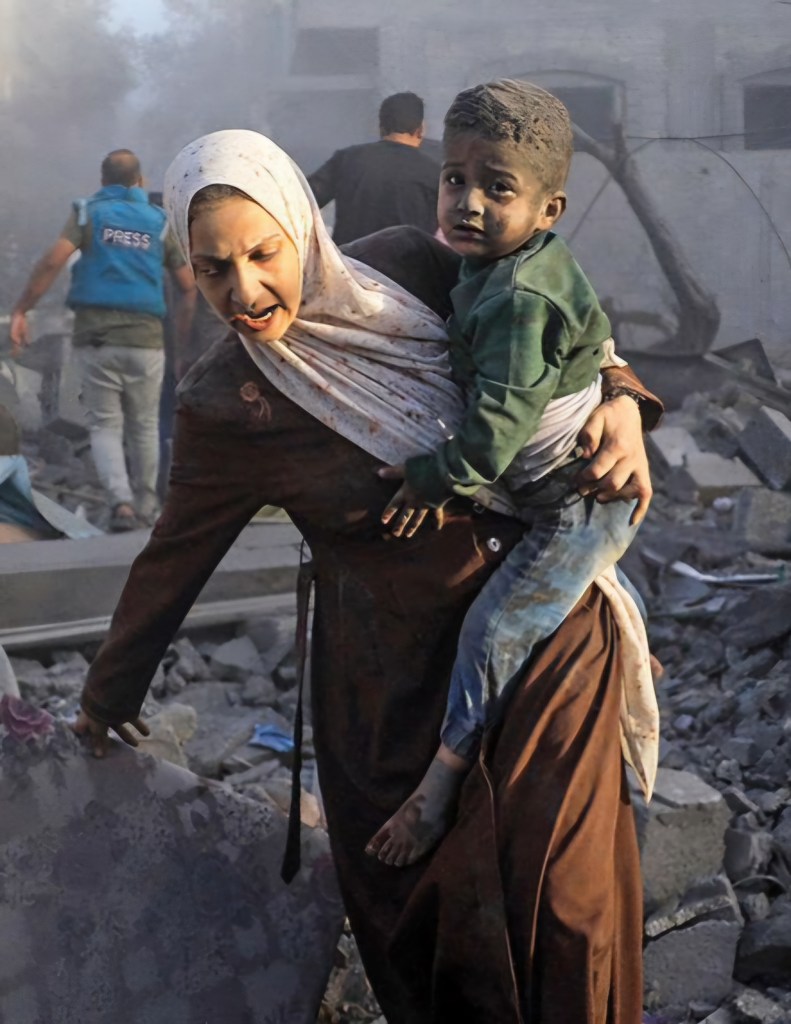
Most of us never heard the explosions or experienced the devastation of war unless we were deployed in wartime. Those who have, may still be healing those wounds from the destruction, lives lost, or PTSD.
In the past 18 months, I traveled in Egypt, Lebanon, Rwanda, South Africa, and Turkey where the tension of past wars and conflict was palpable. While the people, culture and landscape were incredible, I also saw the strain of war in the vacant mortar-shelled buildings, refugees from neighboring war-torn countries scraping a living, and impoverished communities from a stagnant or recessive economy. The vision was humbling.

I recently read the book, My Grandmother’s Hands: Racialized Trauma and the Pathway to Mending our Hearts and Bodies by Resmaa Menakem. This is a book about generational trauma in the Black American Culture. Even though it focused on Black Americans, generational trauma transcends all people. Not having a past interest in history, I learned so much from this book.
My Grandmother’s Hands caused me to reflect upon my surrogate family in Lebanon. War has impacted that country for centuries. Sami from my village in Liberia returned to his home in Lebanon when one of its brutal civil wars began in the 70s. As I write this today, bombings are occurring between Israel and Lebanon. Some civilians have died and villages along the border have been evacuated. I called Sami’s son to check on his status. The conflict is exactly 60 miles from their home. To my amazement, he was calm and reassured me, “All was OK”. Suddenly I realized I never knew or experienced war. Here is a question for you: How would you feel if your neighboring country was bombing you 60 miles from your home?
Here is where generational trauma comes in. Sami’s children, about 50 years of age, have only known war, post-war, or on the edge of war. Sami, now deceased – all he knew was war. Their psyche and bodily reactions have adapted to cope. I could see and feel the underlying tension during my visit to Lebanon in 2023. Their health was impacted in several ways.
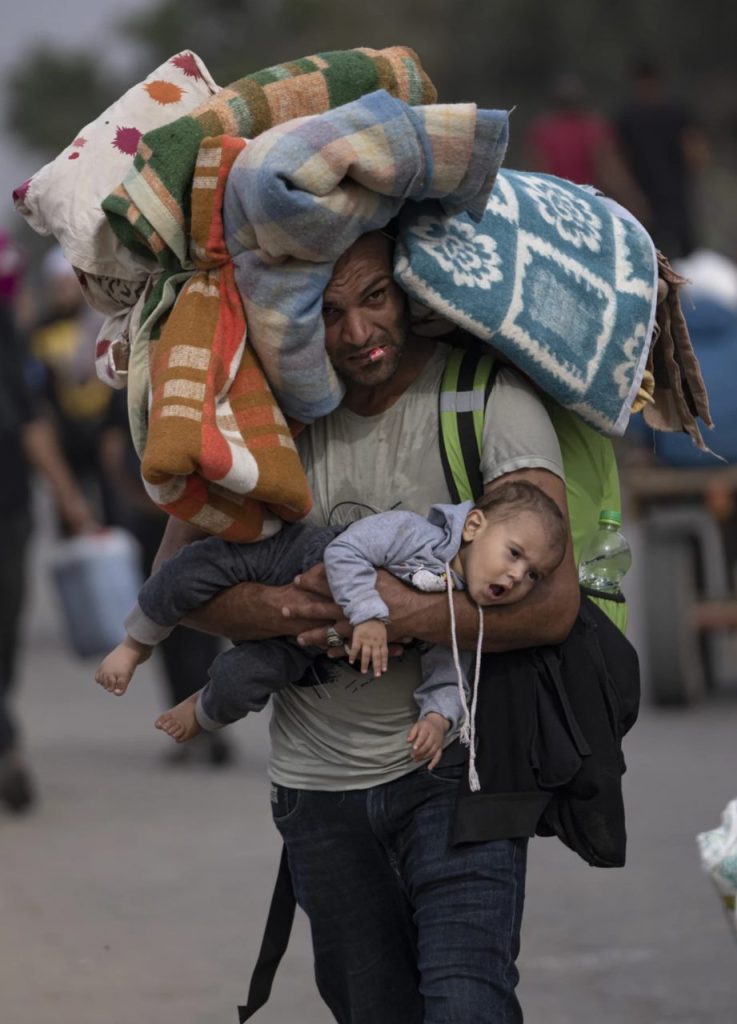
Generational trauma is not only war-related, but can include chronic family illness, physical and/or emotional abuse, conflict, displacement, homelessness, estrangement, incarceration, and many more across the world. Some of this trauma could have happened before we were born. But its underlying effects are in our genes and can be passed on through our DNA down through the generations.
The takeaway from Manekam’s book is to work at healing your past trauma and he gives guidance on how to do just that.
My favorite quote to contemplate by Menakam:
*Trauma decontextualized (out of context) in a person looks like personality.
*Trauma decontextualized (out of context) in a family looks like family traits.
*Trauma decontextualized (out of context) in people looks like culture.
I look forward to your comments or check Like if this blog meant something to you.
What are your observations of generational trauma?
Both books: In Search of Pink Flamingos and Never the Same Again talk about the wars in Liberia.

 Susan E. Greisen
We don’t know what the Civil War did to our relatives. We don’t know what WWI did to our relatives. I do know what WWII did to my Uncle. I didn’t have relatives in the Korean War, but Mark did. I didn’t have relatives in the Vietnam War, but certainly had friends. Many of them were greatly affected by their time there. But never was the war on our soil. The Civil War was so long ago I don’t know how my relatives reacted or suffered. But I do know that when the fighting in Liberia started in Karnplay–my Peace Corps Village–I couldn’t believe that the world didn’t notice. How could all the people there be killed and no one pay attention? War is a terrible thing and the children in Liberia have now grown up and become parents and they have known only war, hunger and disease.
LikeLiked by 1 person
Yes, to all of what you have said. Just as Sami’s family in Lebanon is calloused from centuries of war, I have seen the documentation of the children of Vietnam Vets who are still struggling from PTSD. These child are personally impacted. It has molded their personality which will become a family trait. This is was Manaken speaks to in the quote at the bottom of my blog. These deep traumas effects more than we realize. Thanks for writing and commenting, Sally.
LikeLike
Your blog reflects on the many faces of humanity — people living their lives in the shadow of catastrophe around the world. You write with compassion, sharing the truths you see all over the world. Your humanity calls out to my own — and in this process, you have made me a more insightful, kinder person. What a gift this is to me!
Bravo, Susan !
LikeLiked by 1 person
Hello Kally, Thanks for your kind comments. So many people not only live in the shadow of catastrophe but also just life in general. There is silent trauma that doesn’t experience bombs or blood, but psychological wounds that are deep and transcend generations. Yes to all your keywords: compassion, kindness, and truth. Let us be a gift to each other!
LikeLike
Very few Americans are touched by war unless they had a parent, relative or child exposed to its horrors. My Dad (World War II combat veteran and a Prisoner of War of the Japanese along with members of his tank company suffered through the Bataan Death March, over 3 plus years as a POW, Hell Ship transport to Japan) suffered both physically and emotional trauma in their marathon journey of survival. They seldom talked about it. The only reminder today is a monument in our home town that bears their names or a radio program about them on Memorial Day. I knew a number of those men and had great respect for them.
Many of the fathers of our Peace Corps generation were veterans of World War II or Korea. Now, some of our children are veterans of either Iraq, Afghanistan or both. Our son is a veteran of the Iraq campaign, suffers from PTSD and only recently did he learn he has a case of TBI he suffered as a field artillery officer. When he was in Iraq, my wife refused to watch the nightly news. When a family member is in a war zone, then you are touched by it as well, regardless of being thousands of miles away.
War is terribly devastating! Innocent civilians suffer the most; but everyone pays a price in War. No one is ever the same coming out of it.
LikeLiked by 1 person
As always, I love hearing from you Randy. Sharing your family history helps me to understand the depth of your sensitivity to many of the things that I write about. Your heart is big and your caring is vast. I send healing thoughts and wishes to your son who is suffering from PTSD and TBI. As Wars rage around the world, we are burgeoning on the tip of the iceberg of the aftermath of conflict.
As I mentioned in my blog, war is just one form of trauma. Trauma lives all around us in our neighborhoods and family with mental illness, domestic violence, homelessness, prejudice, and street violence. The list goes on and on. Some of it, we are so used to we think it’s the norm.
May we all seek a form of calmness and serenity within ourselves to do good unto others. Again as I refer to Manakem’s book in my blog, he provides tools of how to achieve that.
All the best to you, my friend.
LikeLike
Susan,
On a more personal note, I’m currently traveling through your homestate of Nebraska on I-80 (my wife is driving this morning). As we stopped at a rest area south of York, we got to chatting with a gentleman staffing the front desk. He grew up in Genoa, just west of Monroe and just north of Silver Creek where my wife’s aunt and uncle used to live. He carried on with stories of his younger years in high school in Genoa, their mascot of the “Orioles” and his motorcycle days along with partying in Silver Creek. Nice chatting with him; my wife still has cousins in NE, at Silver Creek and Hastings. Despite being mostly flat, I’ve enjoyed the history and variety Nebraska has to offer. But, small towns like Monroe, according to the gentleman we talked to are barely hanging on, which is sad.
LikeLiked by 1 person
om
g, you may remember that I was born in a 16 bed hospital in Genoa nebraska. I changed the name of my town from Monroe to Morgan which is only about 10 mi from where you are. How incredible is that
LikeLike
Good morning, Susan!
Somehow your reply got garbled and I was only able to read part of it. I was able to discern that you were born in Genoa,NE which at that time had a 16- bed hospital. It appears some of your response “ran off the page.”
LikeLike
Hello Randy, yes, I was born in a 16-bed hospital in Genoa. I’m wondering how big it is now or is it still there? When I was back 2 years ago, so many of the small towns were diminishing in size and vitality because services were being centralized in the larger towns and cities. Monroe, Platte Center, Silver Creek, Genoa, all have decreased in size and services. I remember a friend and I went to have lunch in Genoa on Sunday and nothing was open. Well actually there was only one place and they were closed. The towns are now bedroom communities for work done elsewhere. It was hard for me to envision how it used to be. Of these small towns all had one or two taverns, a bank, a filling station, and a mini mart. Has your wife experienced the same transitions?
LikeLike
We see that in Wisconsin too. There are many small, farming communities that cling to life, but are gradually fading away. It was true in Pennsylvania as well where we lived and logging and sawmilling were the prime industry. As our friend at the rest area said, when the last bar closes, so goes the town. Lots of history there, but hard to make a life. Have a great week, Susan!
LikeLiked by 1 person
Good morning, Susan!
My wife, Kathy and I, just spent the better part of two days with Mark and Sally Zelonis here in the Baraboo area, along with two friends of theirs.
We took them to the nearby International Crane Foundation which they had never been to previously, and which we all enjoyed. Then we wandered into town for lunch at a local restaurant on the town square, which was buzzing with patrons.
Mark and Sally returned yesterday as they wanted to visit the Aldo Leopold Foundation just north of us along the Wisconsin River. A great place to visit and we added a short hike before treating them to lunch in nearby Wisconsin Dells.
It was fun reminiscing about our Peace Corps days, both the fun and the hardships we endured. I think my wife was taken aback by the minimalistic lifestyle we all shared, especially Sally’s description of having no water to bathe with, going to Saniquellie to get a bath and then returning back to Karnple covered again in laterite road dust during the dry season. Mark and I connected well with our natural resource backgrounds and there was no shortage of wildflowers and prairie plants to admire and photograph. Lots of stories were shared between us and great memories even after 50+ years!
We wished them safe travels as they should be arriving in International Falls, MN later today.
Our return trip from Denver through Nebraska was profitable as we were able to meet my wife’s cousins (Hastings and Silver Creek area) in Grand Island for dinner on the first day with overnight in Lincoln. Also stopped on day 2 near Iowa City to visit college roommate and his wife at the Iowa Athletic Club to put closure to the end of our road trip as well as to share memories of our college days and break bread together.
Hope you are well and happy; I’ll stay in touch!
LikeLiked by 1 person
Pain does not always scream. Sometimes, it becomes quiet habits, passed down like old furniture in a house—heavy, scratched, and no one remembers where it came from.
Your words remind us that war is not just a thing of the past. It lives in the eyes of children, in the way families speak or stay silent, in the buildings that refuse to stand straight.
Trauma is like a ghost. It enters a family, hides in a corner, and sometimes wears a smile. Years pass, and we start calling that ghost “just how we are.”
Thank you for pointing this out. You are shining a small light on a dark hallway many people walk through without knowing.
LikeLiked by 1 person
Wow, your writing and words are so intropective and poignant. Are you a writer? Have read the book in this blog by Resmaa Menakem? Very powerful. I love his summary of generational trauma as personality, famiily traits, and culture just as you noted so beautifully in your comment. Thanks for writing.
Susan
LikeLiked by 1 person
Thanks, Susan. I’ve never written a book, but I do write in my head a lot. I haven’t read Resmaa’s work yet—but now I feel like I should. It’s comforting to know others are also trying to name what pain leaves behind.
LikeLike