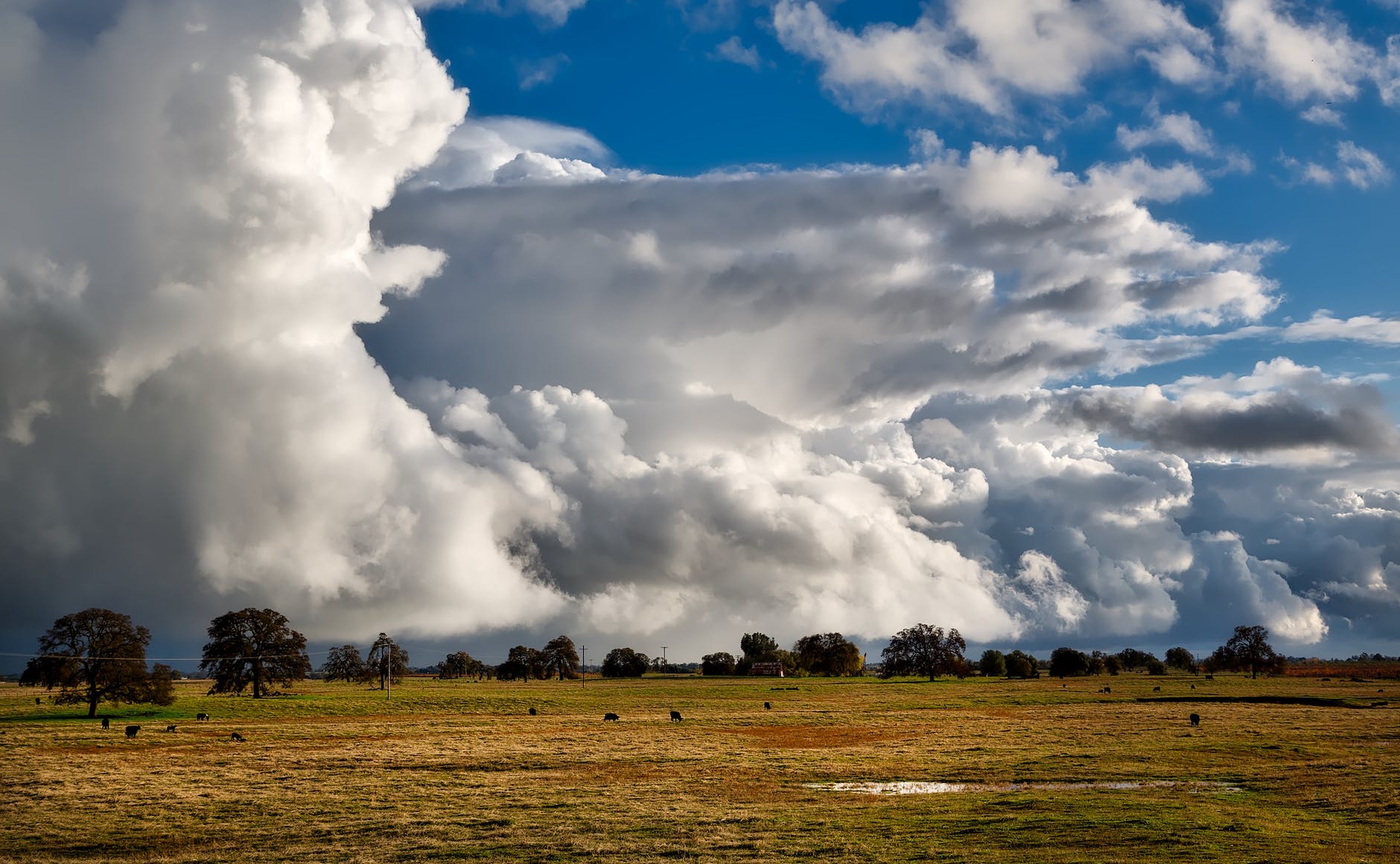
I grew up on the farm in Nebraska learning that the water we used was given by the clouds that rose above us. It filled our wells and nurtured our stomachs with the food it provided. My dad monitored our rain gauge regularly to manage our livelihood.
We all need water and, surely, we have all heard plenty about the climate-change debate. However, on my travels abroad this past year, my interest in its impact rose to a new level when I visited two iconic African regions. The first, being the Okavango Delta in Botswana fed by one source called the Cuito River. The terminus of the river’s tentacles branch out like fingers to create Okavango Delta, two countries downsteam, a rich fertile land teeming with wild animals and birds until it ends in the Kalahari Desert.


The second body of water was The Nile River in Egypt. The Nile is a large ribbon of water dividing the Sahara Desert from it’s southern border with Sudan all the way to the Mediterranian Sea in the north. Fertile farmland, bird life, camel caravans, and livestock are common along its banks
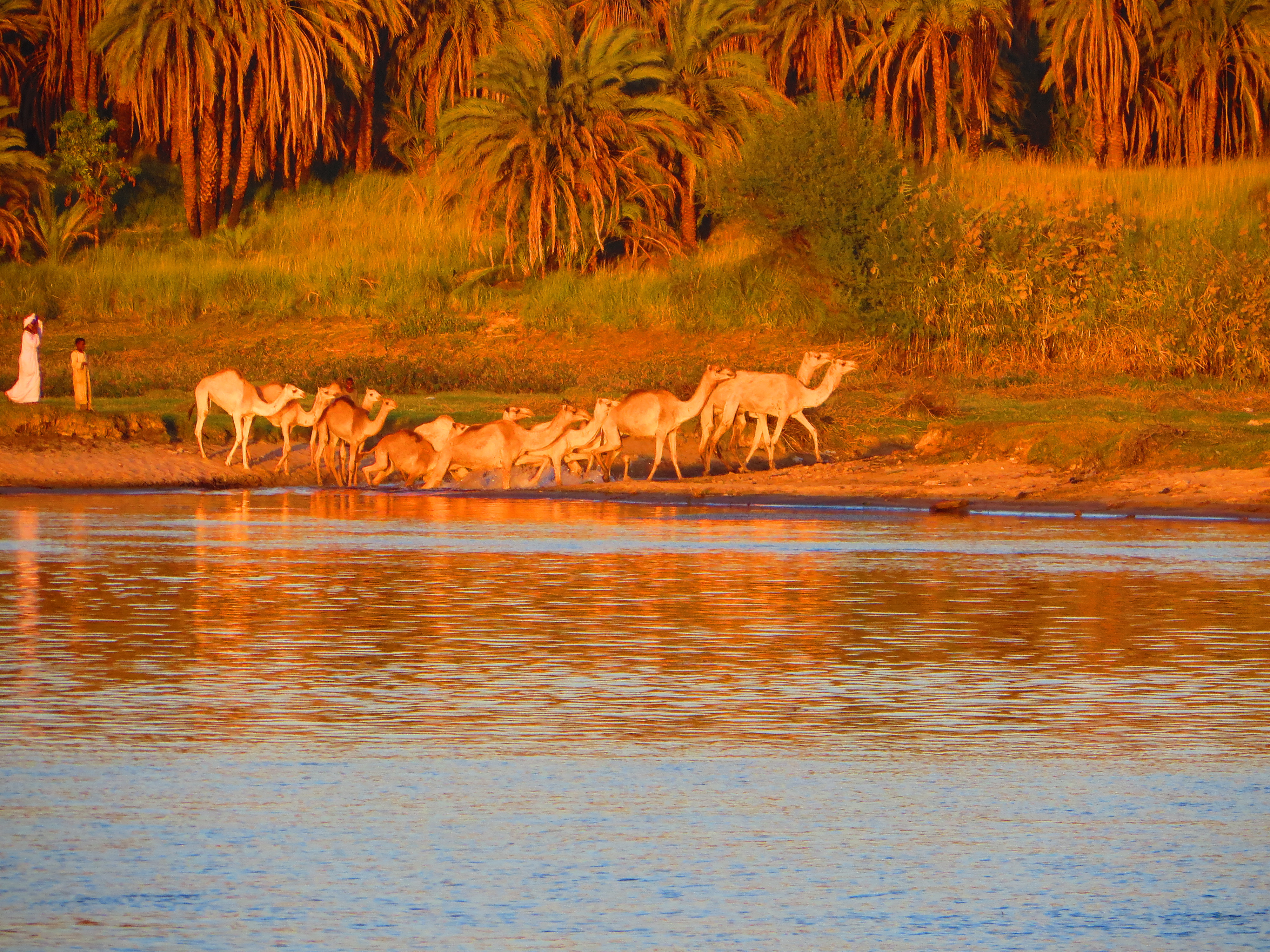

What do these two African rivers have in common? They are living and thriving upon, what I call, borrowed water. The water that nourishes these two regions does not always fall from the sky above them. The majority of the rain doesn’t even fall in the country in which they reside. The source of these rivers are far, far away in other countries.
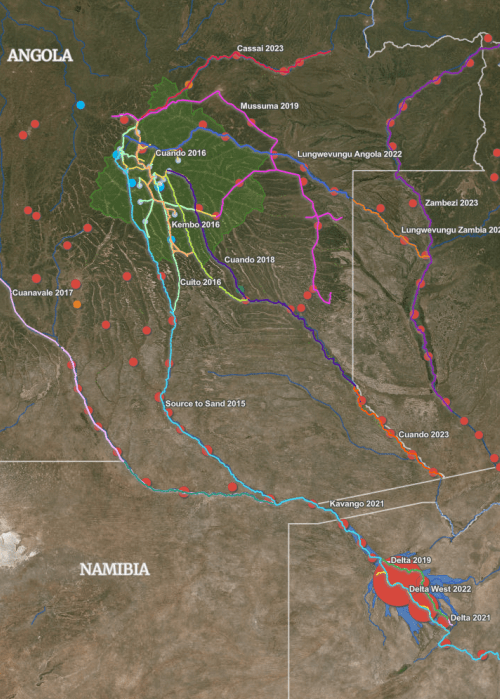
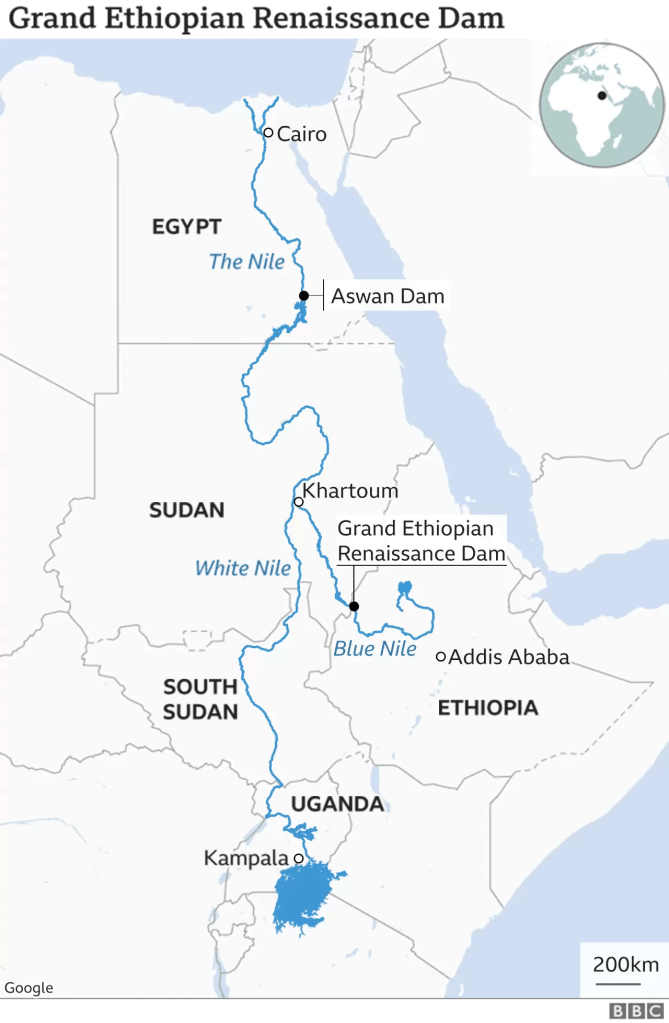
The first map above shows one source of the the Okavango Delta fed by the Cuito River in Angola, two countries north of Botswana. The second map illustrates that the one source of The Nile, the Ethiopian Blue Nile, is two countries to the south of Egypt. Therefore, neither Botswana nor Egypt have any control over the water that benefits their land. In the past when rain and water were plentiful and humans did not overpopulate the regions, this resource was not a concern. During the time of my visit to both countries in 2022-23, the lack of water was a discussion by both of my tour guides.
I need not tell you what will happen to the Okavango Delta and the Nile region when their source of water is diminished.
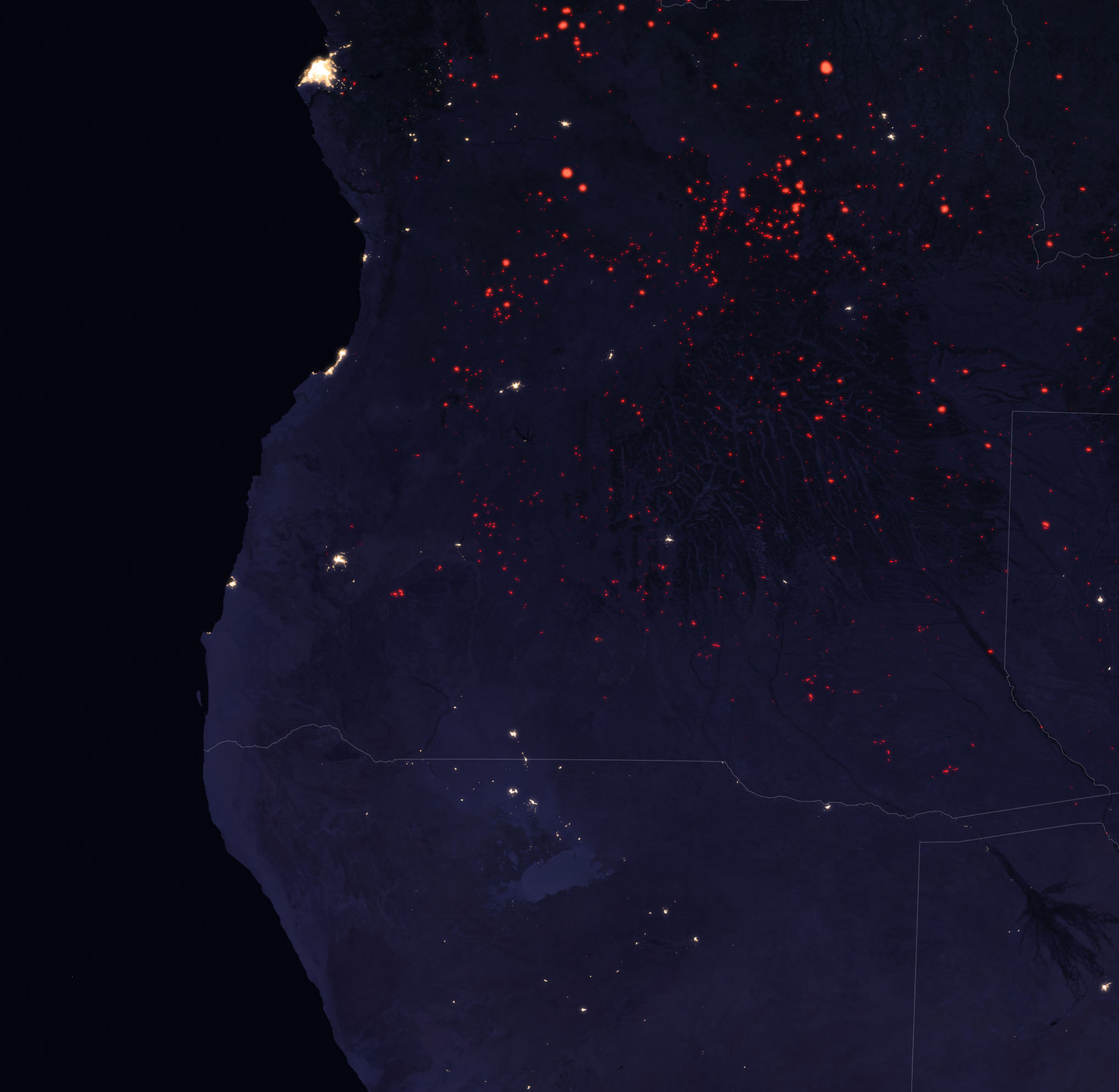
The capital of Angola is now booming after 27 years of civil war, but the land management of the area that feeds the source of the Cuito River is non existent. Massive tundra fires by villagers to flush out the wildlife for food and slash burning farmland have altered the entire landscape creating less water flow. It is speculated that this mismanagment could evenually create a desert environment. Attached is a nighttime satellite-based view of the Angolan fires noted in RED. The bright light on the upper left is the capital.
The demise of this region has only been recently revealed in 2018. Here is a trailer of this discovery in a powerful documentary entitled Into the Okavango. (One would need Disney+ to view it in full. The free download attached to this trailer is not the video and not as good as the one with the subscription.) With the help of this research, there is a commitment with Namibia and Angola to work together with Botswana to help preserve its watershed.
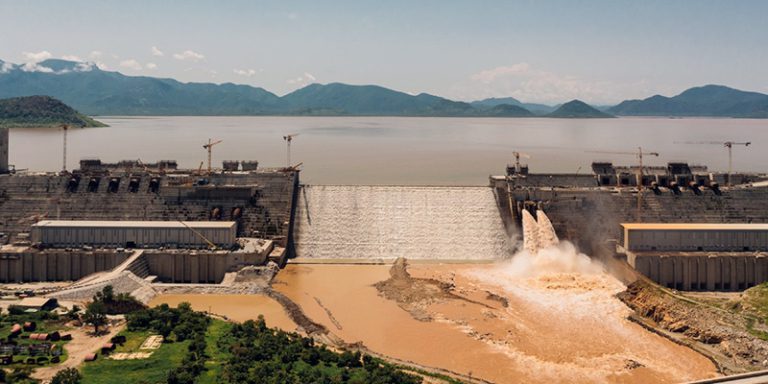
On the other hand, the major concern for Egypt is that Ethiopia has built a large dam called the Grand Ethiopian Renaissance Dam (GERD) on the Nile’s source (the Blue Nile) which supplies 85% of the water to the Nile in Egypt illustrated in the second map above. This dam harnesses and controls the water for irrigation and hydoelectric power for Ethiopia’s growing population. Learn more by reading this article written by the BBC in September 2023.
At the time of this writing there are no official country treaties or agreements of how to share this valuable resource; only a handshake from Angola with Botswana, and more contentious political issues lie between Egypt and Ethiopia. The clock is ticking for these countries, their people, and their livelihood. Tourism is a main industry for both Botswana and Egypt for which they rely on their precious water resource. Maybe the title of this blog has more meaning; Borrowed Water, Buying Time.
Your comments are greatly appreciated below. Share your thoughts with others. Your email info is only shared with me and not the public.
Addendum: The Colorado River in the US, that feeds water to the arid Baja in Mexico, has a similar story. The 1944 agreement between the US and Mexico was signed, but as populations grow and climate changes, the timeline and outcome for over 40 million people in these two countries who depend on this water, have an uncertain future. Are we/they, merely BUYING TIME?


You have nailed this, Sue. These are huge issues, and similar issues are happening in many other parts of the world. Thank you for Highlighting these major issues. We all have to recognize our use of fossil fuels has been the main cause of climate change along with other complicating issues you mention here. When I was in the Peace Corps in Liberia I visited Ethiopia one summer and went to see the powerful Blue Nile falls, no dam then and the water flowed freely into Egypt while there was a bad drought still in Ethiopia.
LikeLiked by 1 person
Hello Janet, thank you for your reply. It appears that many people and countries will have to suffer before reconciliation could occur. I am traveling in Costa Rica at the moment and I see a country that is made a complete turnaround in the past 40 years. I will write about this more in a future blog.
LikeLike
Water is the essence of life, especially clean water. Now it is a scarce resource in many parts of the world, including the US as you point out. The challenge, as your blog indicates, is a willingness by various governments and landowners to manage it fairly and equitably by an independent body that oversees it. This is a very complex issue, especially between competing governments whose growth and sustainability depends on this resource. Good long term land management of vegetation, especially forests, is essential to good water conservation. Solving this issue will require time, a commitment of funds, reforestation, and cooperation between competing nations. Lacking this, it’s hard to image resolution of the issue.
LikeLiked by 1 person
Hello Randy, as a forester, I know you totally understand this issue. I am currently traveling in Costa Rica and have just learned about the reforestation this country has taken on in the last 40 years. I hope to write a blog about that in the near future. It takes leadership from the entire country at the top to make a difference. Travel certainly opens one’s mind. Thank you for reading.
LikeLike
Having just returned from Egypt and traveled on the Nile–I understand more now the water issue. When I was in Liberia more than 50 year ago, I ran out of water in Karnplay and had to have small boys dig holes in the ground and put my enamel pans there with clothes over them at night for the groundwater to seep in. It wasn’t pretty. Water issues continue to plague the World and will for years to come. We are wasteful. We are stingy and we are uncooperative among other traits we have. Not sure we will ever learn to turn off the faucet when we brush our teeth. I am guilty, like many others. Trying to do better.
LikeLiked by 1 person
Hello Sally,
I had not heard to your type of water resourcing in Liberia while I was there, even though I lived just miles from you. I was so fortunate to have a rainwater collection system built by the previous volunteers who had lived there before me. I had seen women in northern Cameroon walk for miles digging in the dry water beds until the murky water seeped in, enough for a bucket of water that they carried for miles in the other direction home. We are spoiled in America. How long that will last, is yet to be seen. Water is the source of life, I hope we will learn that before it is too late.
LikeLike